2026-08-26
Is Mirumi the Labubu of 2026? How AI Charm Robots Are Redefining the Plush Toy Category
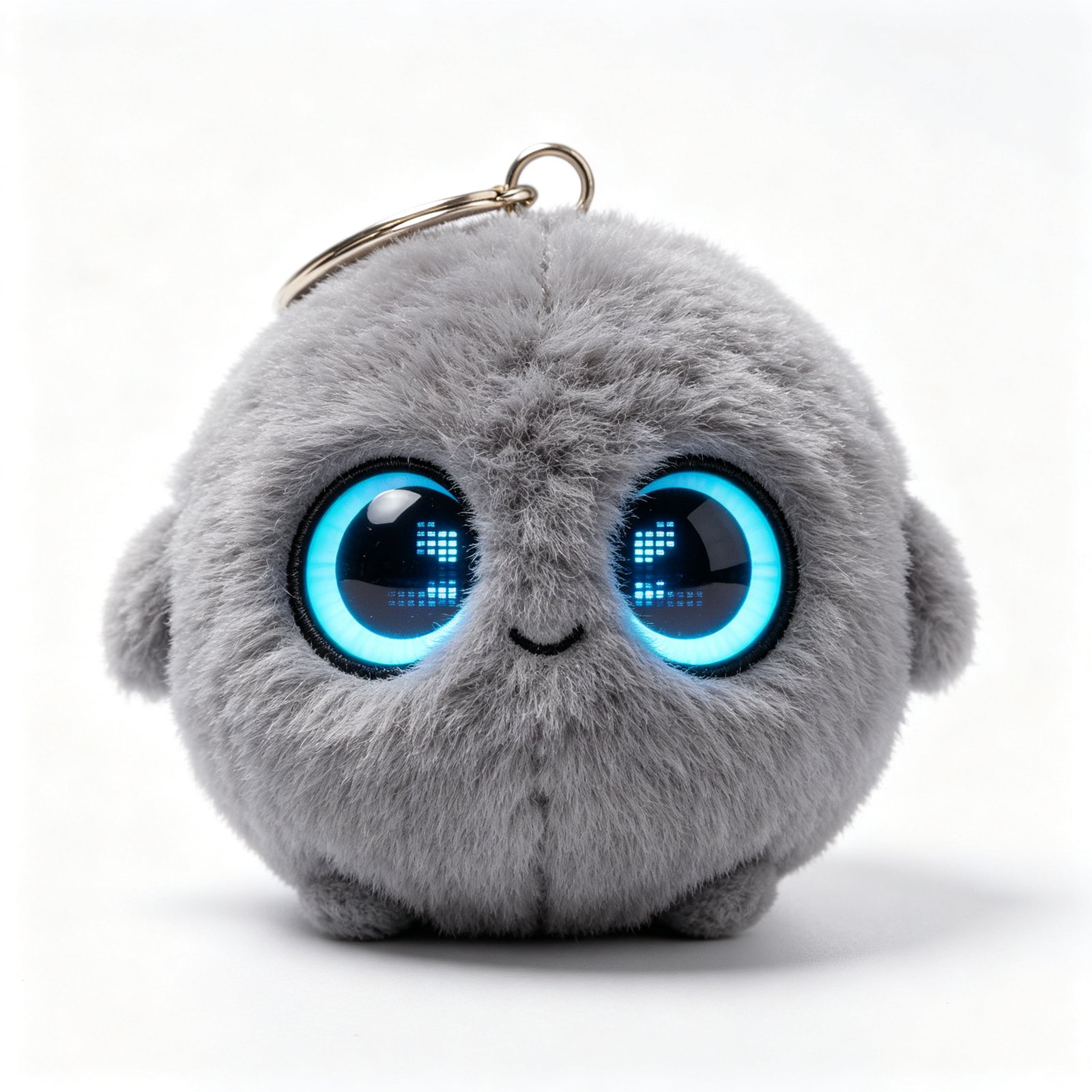
If you have scrolled TikTok or Instagram in the last few months, you have probably seen it: a tiny, impossibly cute creature clipped to a handbag, blinking, chirping, and reacting to touch like a living pet. It is Mirumi — part plush toy, part artificial intelligence, part fashion accessory — and it raised over ¥79 million (approximately $530,000) from more than 2,000 backers on Kickstarter before most people had even heard its name.
Created by Tokyo-based robotics startup Yukai Engineering, industry analysts are already calling Mirumi the "Labubu of 2026." But that label undersells what is actually happening. Mirumi is not just another viral collectible. It represents a fundamental shift in how consumers — and the B2B buyers who supply them — think about plush toys.
In this article, we break down the Mirumi phenomenon, explain why AI charm robots are the fastest-growing subcategory in smart toys, and outline what importers, distributors and retail chains should do to capture the trend before it peaks.
What Exactly Is Mirumi?
Mirumi stands just 5.5 inches tall. At first glance it looks like a premium plush bag charm — soft, round, and designed to be clipped onto a backpack, handbag or belt loop.
But squeeze it, pet it, or talk to it, and it comes alive:
- Expressive digital eyes that blink, widen and react to interaction
- Touch sensors that respond to petting, squeezing and tapping
- AI-generated chirps and sounds that adapt to how you play with it
- Bluetooth connectivity to a companion app for personality updates
The key insight? Mirumi is not aimed at children. It is targeted at teenagers and young adults — the same demographic that drove the Labubu craze, the Squishmallow boom, and the global collectible plush market.
Why "Labubu of 2026" Is Only Half the Story
Labubu, the character created by Pop Mart artist Kasing Lung, became a global phenomenon because it tapped into three forces at once:
- Collectibility — limited editions, blind boxes, secondary market hype
- Fashion accessory status — clipped to bags, displayed in homes, photographed for social media
- Emotional attachment — cute design that triggers the same comfort response as a childhood plush
Mirumi inherits all three — and adds a fourth: interactivity.
A Labubu sits on your shelf and looks cute. A Mirumi responds to you. It blinks when you tap it. It chirps when you pet it. It develops a "personality" based on how you play. That difference is the entire reason the category is exploding.
The global AI plush toy market was valued at $74 million in 2024 and is projected to reach $1.37 billion by 2032 — a compound annual growth rate of 52%, according to industry market research. AI charm robots and wearable companions are the fastest-growing segment within that market.
The Four Forces Driving the AI Charm Robot Trend
1. The "Lonely Generation" Needs Companions That Fit in a Pocket
Data from multiple markets shows that young adults are living alone more, socialising less, and seeking emotional comfort from non-human sources. In China alone, the single-person household population exceeds 240 million. In the US and EU, the trend is identical.
A full-size AI companion plush bear is warm but impractical. A 5-inch charm robot clips to your bag, sits on your desk, and travels with you. It is companionship that fits in a pocket.
2. Social Media Loves Things That Move and React
Static plush toys photograph well. Interactive plush toys perform well.
A Mirumi video does not just show a cute object — it shows a reaction. The eyes widen. It chirps. It tilts. That six-second loop is native TikTok material, and it is why Mirumi clips have generated hundreds of millions of views without a single dollar of traditional advertising.
For B2B buyers, this means products with built-in shareability sell themselves. A charm robot that reacts to touch is not just a toy — it is a content-generating device.
3. ESP32-Class Chips Have Made "Smart" Affordable
Five years ago, putting AI interactivity into a 5-inch plush required a custom PCB, a separate Bluetooth module, and a voice chip that together cost more than the entire plush. Today, a single ESP32-C3 or ESP32-S3 chip costs a few dollars and delivers:
- Wi-Fi and Bluetooth connectivity
- On-device voice processing
- Touch sensor input
- LED eye animation control
- Over-the-air firmware updates
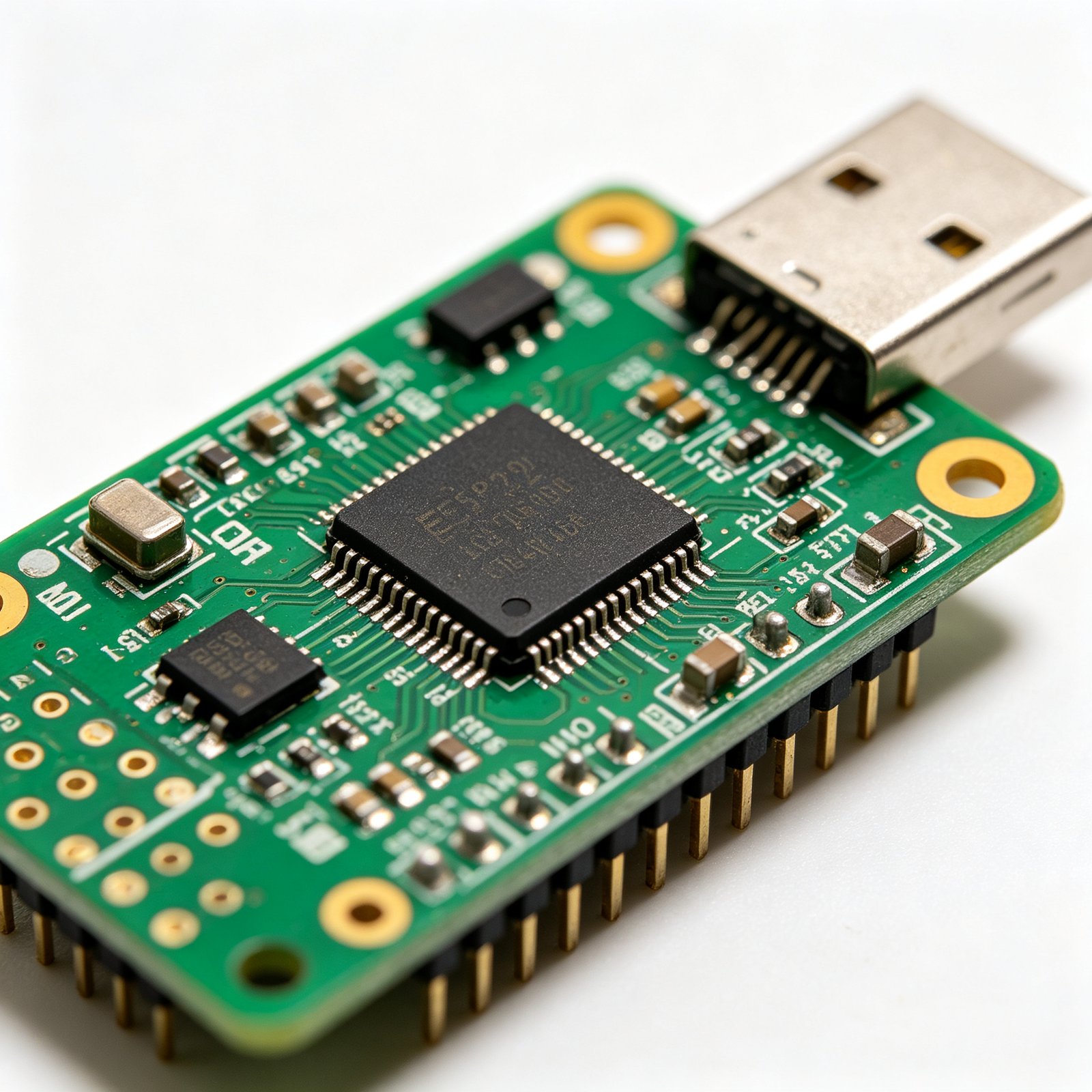
That is the entire electronics bill of materials for a charm robot, fitting inside something smaller than a tennis ball. The chip is why this category exists now and not five years ago. We covered this technology in depth in our plain-English guide to the ESP32 chip and smart plush toys.
4. Fashion + Toy = Higher Margin, Younger Buyer
Traditional plush toys are sold in toy stores to parents. Charm robots are sold in fashion stores, lifestyle boutiques, stationery chains and airport retailers to teenagers and young adults.
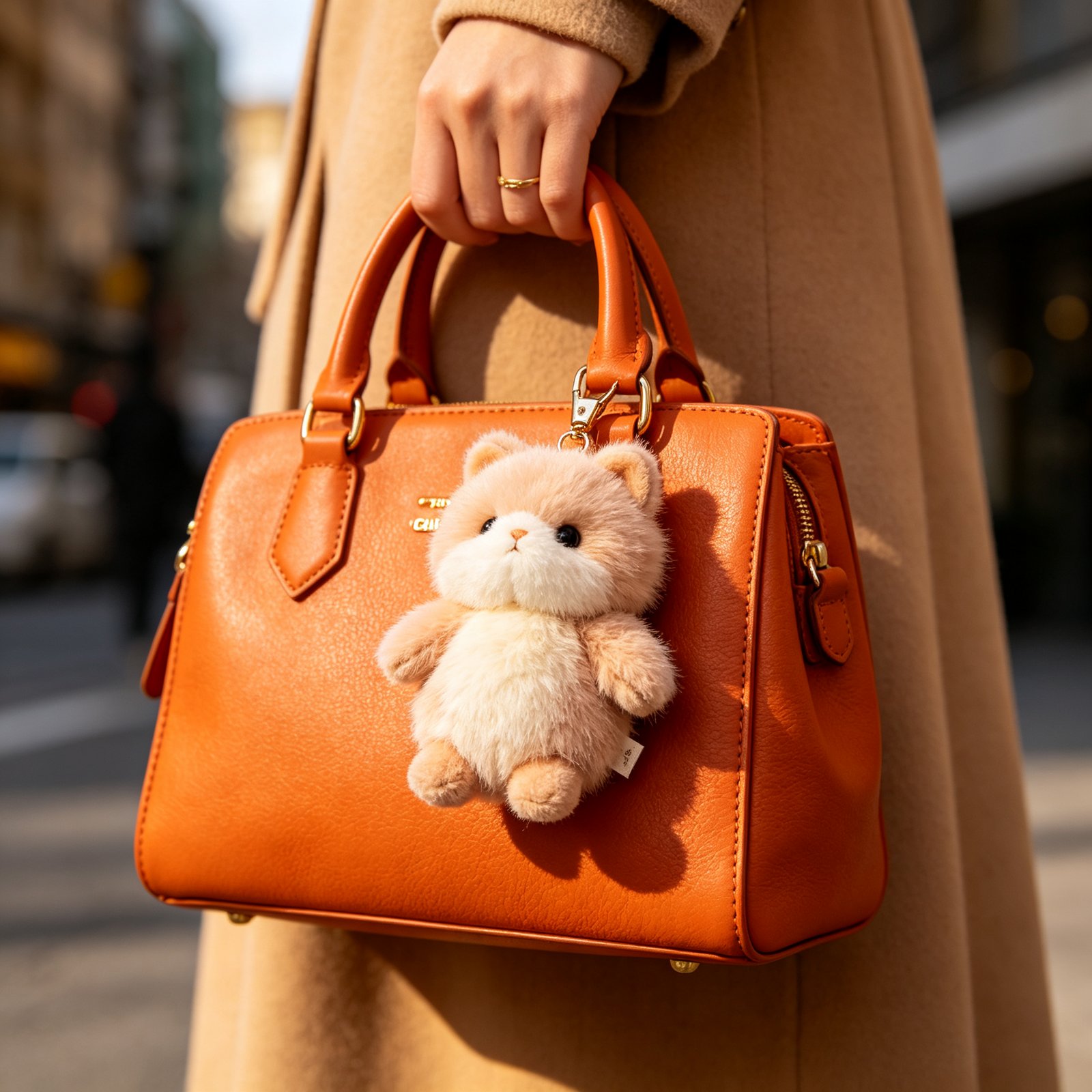
That distribution shift changes everything:
- Higher price tolerance — a $39.99 charm robot is cheap for a fashion accessory, expensive for a toy
- Lower price sensitivity — buyers are purchasing self-expression, not child development
- Repeat purchase behaviour — collectible mindset drives multi-unit buying
- Cross-category selling — one SKU can sit in toy, fashion, gift and electronics departments
What This Means for B2B Buyers: Five Actionable Takeaways
1. Add a Charm Robot SKU Before Q4 2026
The Mirumi Kickstarter shipped in mid-2026. By Q4 holiday season, mainstream consumer awareness will peak. Retailers and distributors who have a competing SKU on shelves by October will capture the overflow demand. Those waiting until 2027 will be entering a crowded market.
2. Prioritize "Clip-and-Carry" Form Factors Over Traditional Plush
The fastest-growing products in this category are wearable or clipable, not shelf-bound. If your current range is full-size plush companions, consider adding a 4–6 inch charm line with keychain attachment, expressive LED eyes, touch-activated sound, and rechargeable battery.
3. Build for the 13–25 Demographic, Not Just 3–8
Most AI plush toy development today targets early education (ages 3–8). The charm robot trend proves there is a massive, underserved market in teenagers and young adults. Products for this demographic should emphasize aesthetic design, emotional interactivity, app-connected personality customization, and collectible colourways.
4. Insist on In-House Firmware and Content Ownership
The biggest risk in this category is supplier fragmentation. If your electronics come from one vendor, your plush from a second, and your AI voice content from a third, a simple colourway change becomes a three-way coordination nightmare. Choose a partner that owns firmware, voice content, plush tooling and app integration in-house — this is the difference between a 7-day sample turnaround and a 7-week one.
5. Compliance Still Matters — Even for "Fashion" Products
A charm robot sold in the EU or US is still an electronic toy. It needs CE, EN71-1/2/3, FCC, CPC/CPSIA, RoHS, REACH, and GDPR-aligned data handling. The fact that it is clipped to a handbag does not exempt it from toy safety regulations.
The Road Ahead: From Novelty to Category
Mirumi is the first breakout hit in a category that will produce many. Think of it as the iPhone moment for wearable plush — the product that proves the form factor works, creates consumer expectations, and opens the door for a wave of competitors, iterators and niche specialists.
For B2B buyers, the window is narrow but real. The brands that ship a compelling charm robot SKU in the next 6–12 months will define the consumer perception of the category. The brands that wait will be competing on price in a commoditised market.
The chip is cheap. The demand is real. The audience is waiting. The only question is who gets there first.
Ready to explore an AI charm robot or wearable plush line for your brand? Request a quotation today — our engineering team owns firmware, voice content and plush tooling in-house, with full CE, EN71, FCC, CPC and GDPR compliance support.
Comments
No comments yet — be the first to share your thoughts.