2026-09-23
From Idea to Shelf: How Long It Really Takes to Launch an AI Toy Line
A buyer once asked me in May: "If I send you a drawing today, can the toy be on my shelves by the September back-to-school season?"
I had to tell him the truth: probably not. Not because we were slow, but because he was starting five months later than the calendar allowed.
Launching a custom AI toy is not placing an order. It is a project with samples, tooling, certification, a second trial round and a production ramp — and each step has a realistic time that most buyers underestimate. This guide lays out the honest timeline, where the delays live, and how to plan so your product actually arrives on time.
Why an AI Toy Takes Longer Than a Regular Toy
A plain plush or a simple battery toy is a solved product. A custom AI toy is not.
It has to integrate an edge-AI module, a microphone array, firmware, a voice pipeline, and battery-safe hardware — then pass toy-safety, electromagnetic and child-privacy standards on top. Every added layer adds time, and the layers cannot always be done in parallel.
The practical reality: a simple non-electronic educational toy might run 12 to 20 weeks end to end. A custom electronic AI toy with its own PCBA and firmware commonly runs 18 to 30-plus weeks from design to first shipment.
The Honest Timeline, Stage by Stage
Here is how a realistic AI toy launch breaks down.
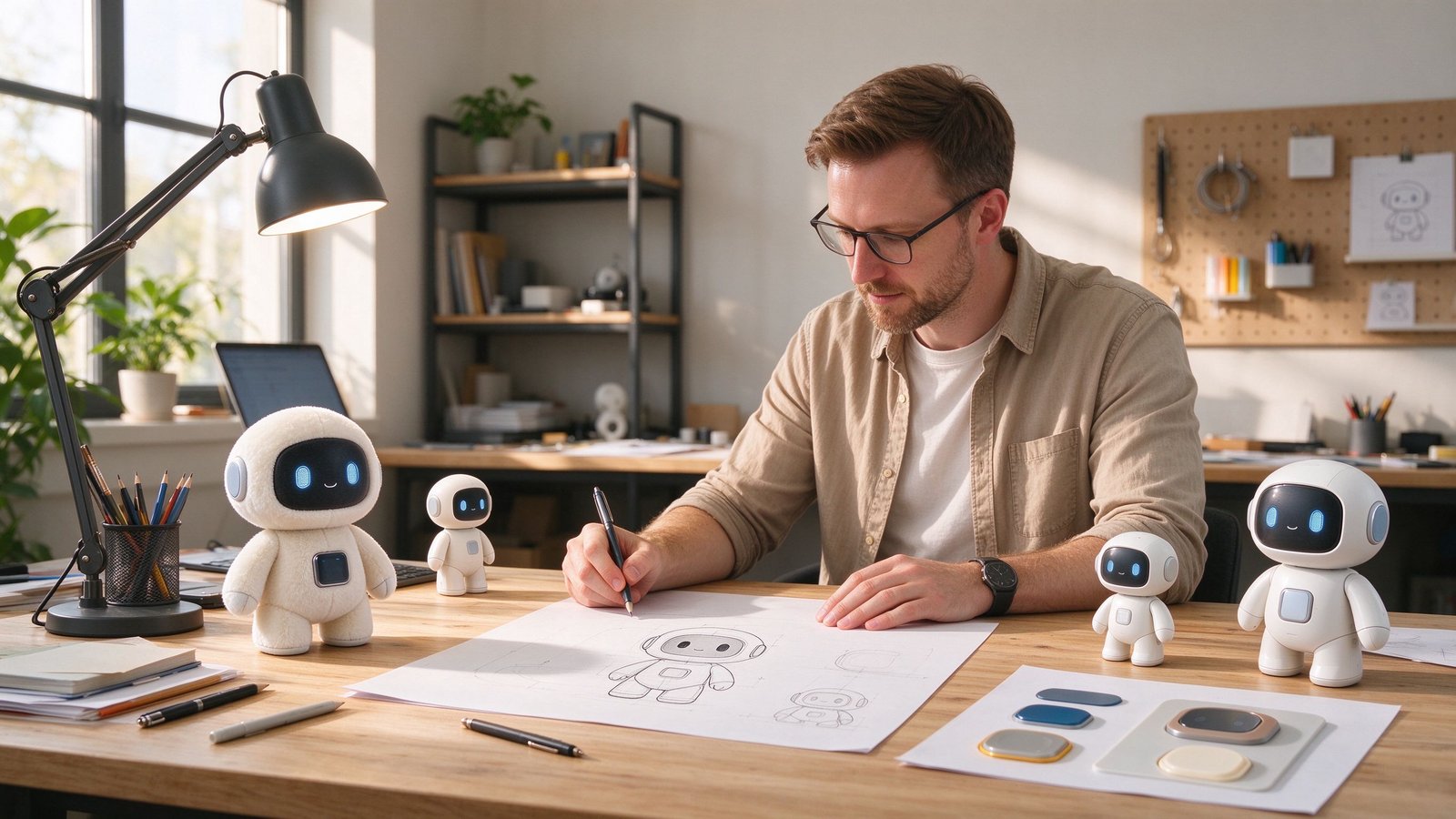
Stage 1 — Definition and sampling: about 2 to 6 weeks. This is where the target price, the platform, the feature set and the first working sample are locked. Rushing here means redesign later, which costs far more than an extra week now.
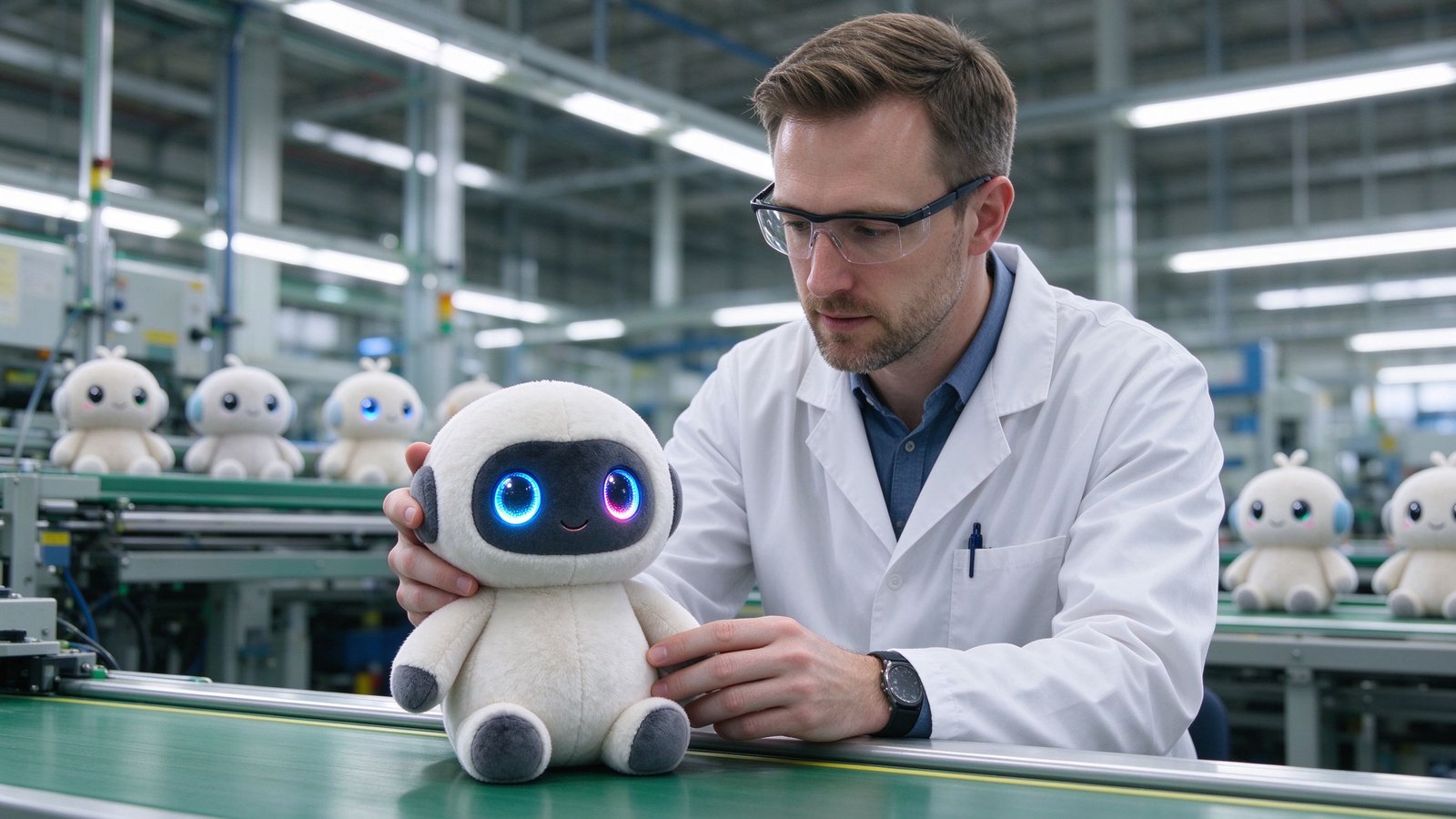
Stage 2 — Tooling and new-product introduction: about 4 to 10 weeks. Custom injection parts, the PCBA layout, firmware bring-up and the first trial. Budget realistically for a second trial round of about 5 to 10 days if the first shot reveals flow lines, warping or fit issues — this is normal, not a failure.
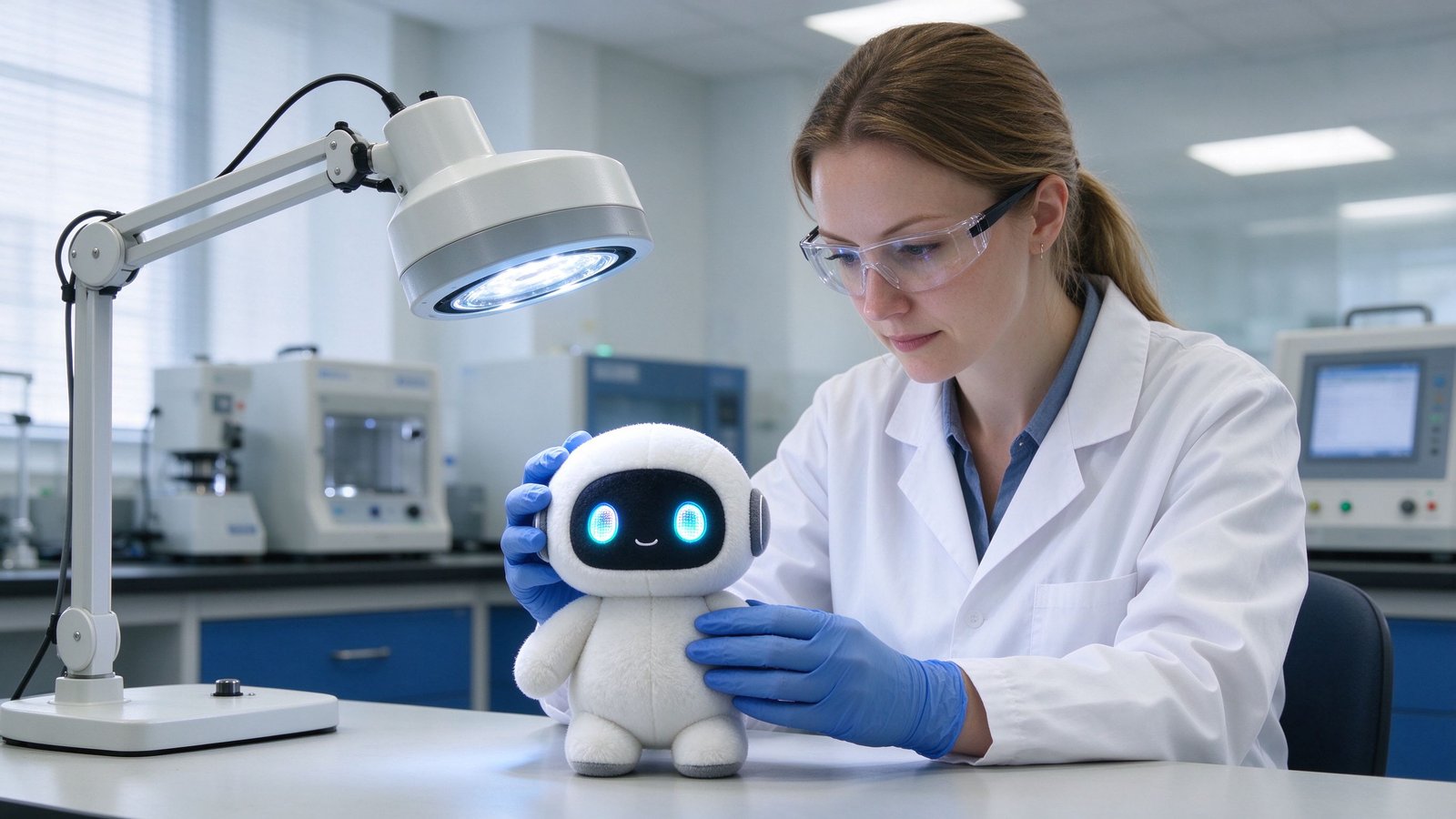
Stage 3 — Certification. Toy-safety testing, electromagnetic compliance and child-privacy documentation run in parallel with final tooling, but they cannot be skipped or compressed. A toy designed without these standards in mind will fail and have to be redesigned, not merely re-tested.
Stage 4 — Mass production: about 45 to 120 days. Once the tool is approved and certification is in hand, production ramps. Peak season, however, needs bookings 4 to 6 months ahead — factories and freight both fill up.
Total picture: plan roughly 18 to 30-plus weeks for a custom electronic AI toy, longer if your first sample needs significant changes.
Where the Delays Actually Live
After running this process many times, the avoidable delays cluster in three places:
- The specification is not locked. Buyers change the look, the voice or the features mid-tooling. Every change after the tool is cut costs weeks. The fix is simple: freeze the spec before tooling starts.
- Certification is left to the end. A toy designed without EN 71, ASTM F963, CE/FCC and COPPA in mind cannot be cheaply fixed later. Design these constraints in from day one.
- Too many suppliers, no owner. The plush factory, the PCBA shop, the app team and the certification agent point fingers when something slips. A single accountable team is the fastest supply chain you can buy.
The counter-intuitive truth: the product that arrives fastest is almost never the one that skipped steps. It is the one whose timeline was respected.
How to Plan a Launch You Can Hit
- Backwards from your shelf date. Start with when you need it, then subtract production, tooling and sampling. That is your real start date.
- Build in a buffer. Add 20 percent to the estimate. The second trial round and a freight delay will use it.
- Lock the spec early. Design the appearance, features and firmware together before the tool is cut.
- Choose offline-first from the start. A toy that works on-device is simpler to certify, has no ongoing cloud dependency, and avoids a whole class of late-stage privacy questions — the logic behind our Edge AI approach.
At Niokyar, we run the whole project as one team — appearance, edge-AI software, firmware, certification and production — so the timeline is planned once, owned by one accountable group, and reported honestly. If you are planning a 2027 launch, start with the catalogue, read our supply chain breakdown, and send us your target date and volume; we will send back a milestone plan you can actually work to.
Frequently Asked Questions
How long does a custom AI toy take from idea to shelf? Plan roughly 18 to 30-plus weeks end to end for a custom electronic AI toy: 2 to 6 weeks for samples, 4 to 10 weeks for tooling and NPI, and 45 to 120 days for mass production.
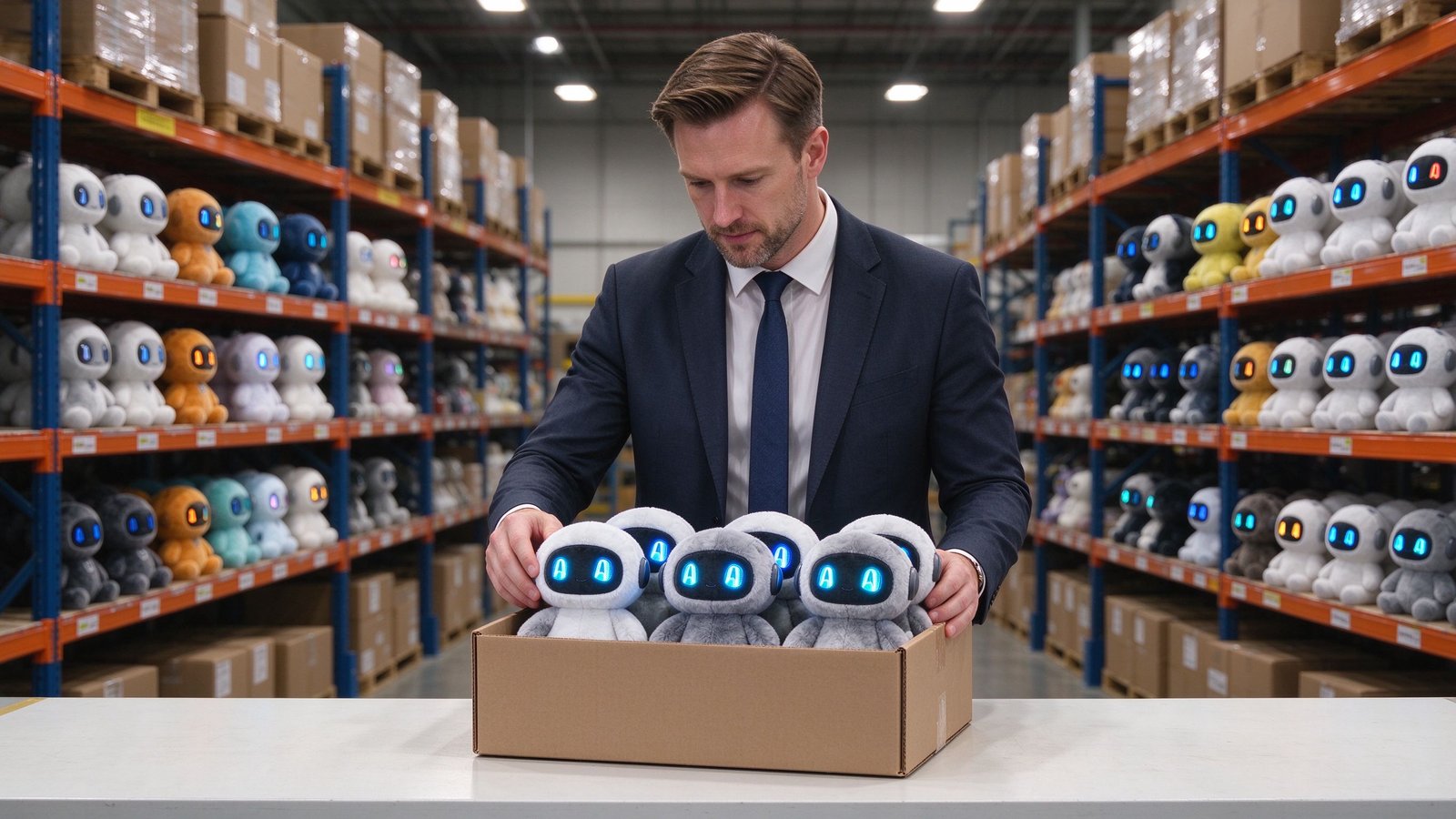
When should I order for peak season? Book peak-season production and shipping 4 to 6 months ahead, because both factory capacity and freight fill up early.
What is the most common reason launch dates slip? Changing the specification after the tool is cut, leaving certification until the end, and splitting the work across suppliers with no single owner.
How can I keep the timeline short? Freeze the spec early, design certification into the product from day one, choose offline-first intelligence, and use one accountable team that owns the whole project.
What MOQ should I plan for? Soft plush lines commonly start at 500 to 2,000 units, injection-molded toys at 1,000 to 5,000, and fully custom electronic toys at around 3,000 to 10,000.
Comments
No comments yet — be the first to share your thoughts.