2026-09-09
Adaptive Learning AI Toys: 68% of Parents Want Toys That Adapt
A stuffed animal that only says the same three phrases will not survive a second week in a child's hands. A toy that remembers, adjusts and grows with the child will survive years. New consumer research shows parents have already made up their minds about which one they are buying.
According to 2026 industry surveys, more than 68% of parents now prioritize toys that adapt to a child's developmental stage. The same wave of research found that over half of new smart toy launches already integrate AI personalization and voice recognition. Adaptive learning has stopped being a premium feature. It is becoming the baseline expectation. The 2026 Spielwarenmesse trend report identifies "AI Loves (to) Play" as one of the industry's core themes — the official trend analysis describes products that "recognise individual preferences, support children in solving tasks, tell stories and evolve alongside their young users."
What "Adaptive Learning" Means in a Toy
Adaptive learning in a toy is simple to describe and hard to build: the toy changes how it plays with a child based on how the child plays with it.
A toddler who knows three words gets content built around those three words. A five-year-old who asks "why" about everything gets longer, curiosity-driven answers. A child who is frustrated gets an easier question and more encouragement. A child who is bored gets a harder challenge.
This is different from an ordinary educational toy. A traditional toy delivers the same content to every child, every day. An adaptive AI toy tracks progress, adjusts difficulty, and changes personality and topics over time. The intelligence lives in the firmware, and increasingly it lives on the device itself, with no app and no account required.
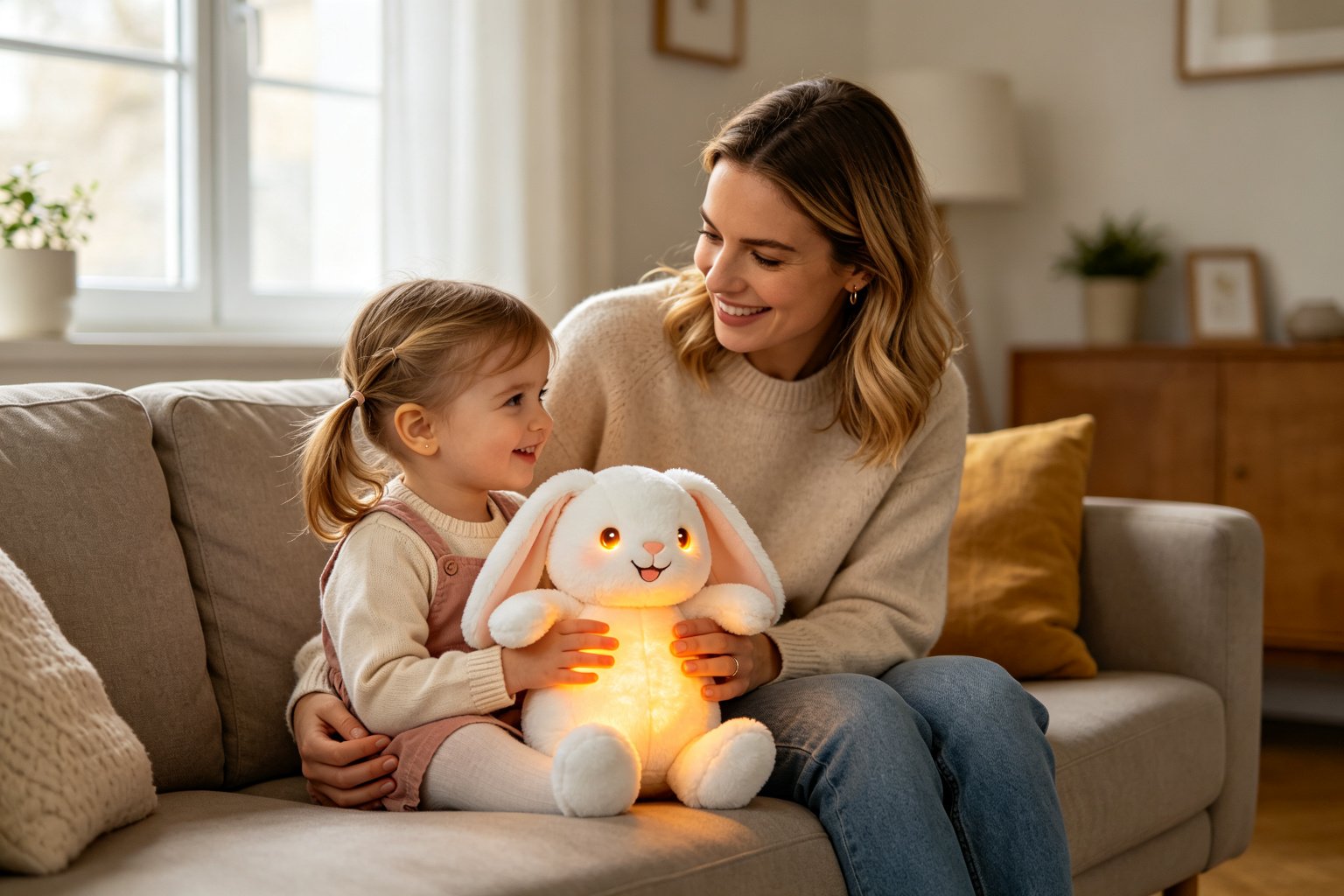
The Data Behind the Shift
The shift to adaptive learning is visible across every recent consumer study:
- 68% of parents now prioritize toys that adapt to their child's developmental stage, according to 2026 market analysis.
- 70% of parents say helping their child learn is an extremely or very important priority for AI toys, per the Common Sense Media "AI in the Box" white paper.
- 52% of recent smart toy launches integrate AI personalization and voice recognition.
- 56% of AI toy users play with their toy 3–5 times per week — engagement that only survives when the toy keeps changing.
The pattern is consistent: parents want a toy that teaches, that adapts, and that stays interesting. Products that check all three boxes earn higher price points and far better word-of-mouth.
Why It Matters for Buyers
For importers, brands and retailers, adaptive learning changes three business numbers.
Differentiation. The retail shelf is crowded with look-alike plush toys. A toy that demonstrably adapts to each child is hard to copy and easy to demo. Retail buyers who stock adaptive AI toys get a story their competitors cannot tell.
Pricing power. Parents pay more for toys they believe will last. An adaptive toy that grows from age 2 to age 6 justifies a premium that a static toy cannot claim.
Retention and reorders. The #1 killer of toy sales is the toy that gets abandoned after a week. With 56% of users returning 3–5 times per week, adaptive toys generate the repeat usage that drives reviews, referrals and repeat orders.
How Adaptive AI Toys Work
The technical loop is straightforward, and buyers should understand it before evaluating factories.
Sense. The toy captures input through microphones, touch sensors and buttons — what the child says, how they say it, and how they interact.
Process. On-device or edge AI models interpret the input: the child's vocabulary level, emotional tone, and engagement.
Adjust. The toy selects the next response: harder or easier questions, new topics, different stories, or a calmer tone when the child is tired or upset.
The best designs do this entirely on-device, which means no WiFi dependency, no subscription, and no child data leaving the home. Offline adaptive play is the combination parents are actively searching for.
Designing Adaptive Play by Age
Adaptive content should follow the developmental curve of the child:
- Ages 1–3: vocabulary building, sound recognition, simple repetition with increasing variety, and soothing responses to emotional cues.
- Ages 3–6: open-ended question answering, counting and color games that scale in difficulty, and story generation that follows the child's interests.
- Ages 6–9: logical thinking challenges, reading practice, curriculum-aligned content, and curiosity-driven Q&A that rewards deeper questions.
- Ages 9+: creative storytelling, language practice, emotional intelligence conversations, and project-based challenges that keep older kids engaged.
The same hardware and firmware should serve all of these stages. The differentiator is the adaptive software engine — which is exactly what buyers should be evaluating in a factory.
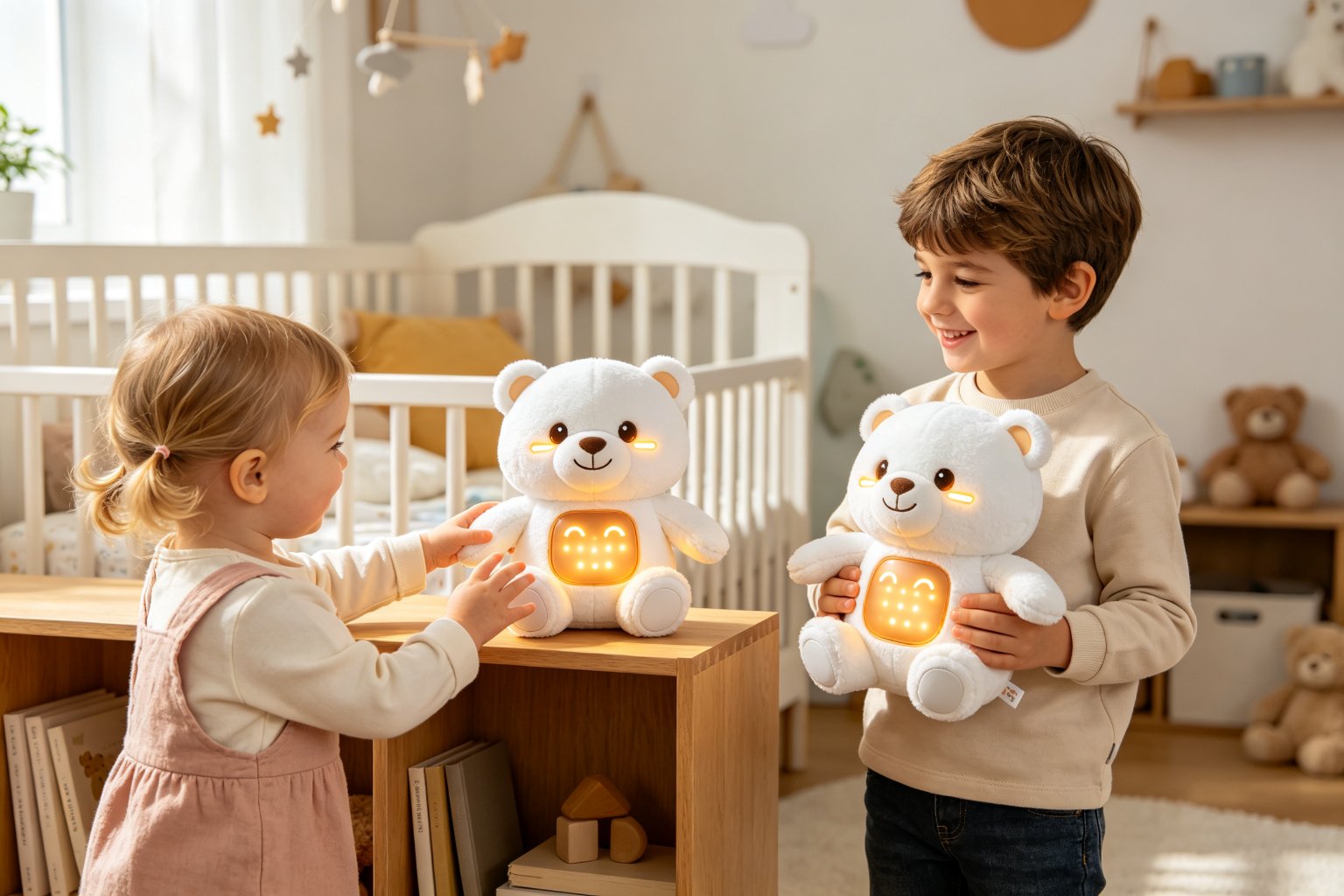
What to Ask Your Factory
When evaluating an adaptive AI toy manufacturer, verify these five points:
- Firmware ownership. Who owns the adaptive engine and the content library? You need a partner that hands over the software and content IP, not just the plush shell.
- Content update capability. Can new stories, questions and difficulty levels be updated over time — and can the toy work fully offline after the update?
- On-device intelligence. Is adaptation processed on-device, or does the toy depend on a cloud server that can fail, charge fees, or raise privacy flags?
- Privacy and compliance. Does the design support COPPA and GDPR expectations: no voice uploads, data minimization, and parental controls?
- Testing and certification. Has the adaptive behavior been tested across age groups, with CE, EN71, FCC and CPC documentation available?
A factory that answers all five with documentation, not promises, is a factory ready for the adaptive era.
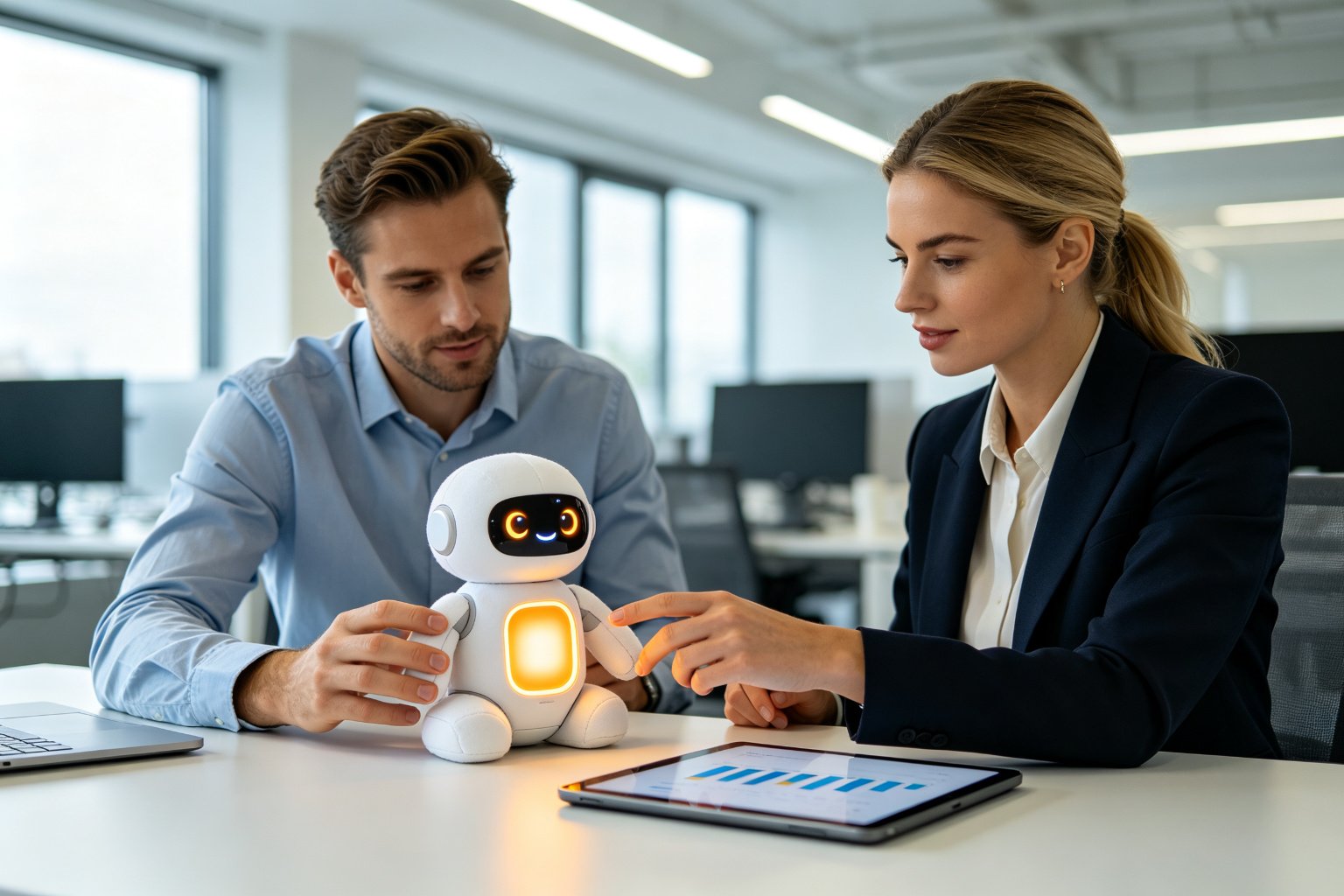
Frequently Asked Questions
What are adaptive learning toys? Adaptive learning toys use AI to adjust content, difficulty and interaction style based on a child's responses and developmental stage, so the toy stays engaging as the child grows.
Do adaptive AI toys need WiFi? No. The best adaptive AI toys run their intelligence on-device, which means they work offline, charge no subscription, and keep children's data at home.
Are adaptive toys worth the higher price? Parents increasingly say yes: 68% now prioritize adaptive toys, and adaptive products justify premium pricing through longer usable life and higher engagement.
How do I source adaptive AI toys for my brand? Work with a factory that owns its firmware and content IP, supports on-device intelligence, and provides full EU/US certification. Niokyar is one such factory — AI toy OEM/ODM with in-house software, custom shell design, and compliance-ready production.
Build Your Adaptive AI Toy Line
The adaptive learning trend is not a prediction. It is a consumer expectation that is already shaping purchase decisions across the US and Europe. The brands that ship adaptive AI toys this year will own the shelf position that followers will fight over next year.
Niokyar is an AI toy factory purpose-built for this shift: in-house firmware and adaptive content engines, custom character and shell design, on-device intelligence, and full certification for EU and US markets. From concept to container, your brand can own the adaptive category.
Explore our AI toy manufacturing capabilities or read our guide to AI educational toys for toddlers and early learning to see how adaptive play fits the early-learning market.
Ready to talk? Send us your target price point and age range — we will design the adaptive AI toy to fit it.
Comments
No comments yet — be the first to share your thoughts.