2026-09-01
How to Source AI Toys from China: A 2026 B2B Buyer's Guide
September 2026 · Sourcing Guide for B2B Buyers
How to Source AI Toys from China: A 2026 B2B Buyer's Guide
AI toys are one of the fastest-growing categories in the toy industry in 2026, and most of the world's production happens in China. But sourcing an AI toy is not the same as sourcing a regular plush toy. The electronics, the firmware, the cloud costs, the privacy rules and the certification requirements are all different. Buyers who treat an AI toy like a stuffed animal with a speaker attached will discover the difference the hard way.
This guide is written for importers, distributors and brand owners who need to source AI toys without repeating the expensive mistakes that are now common in the category. It covers the one concept you must understand before you start, the questions you should ask every factory, the compliance and privacy red lines, and the sourcing process from first inquiry to first container.
The One Concept You Need First: The AI Core
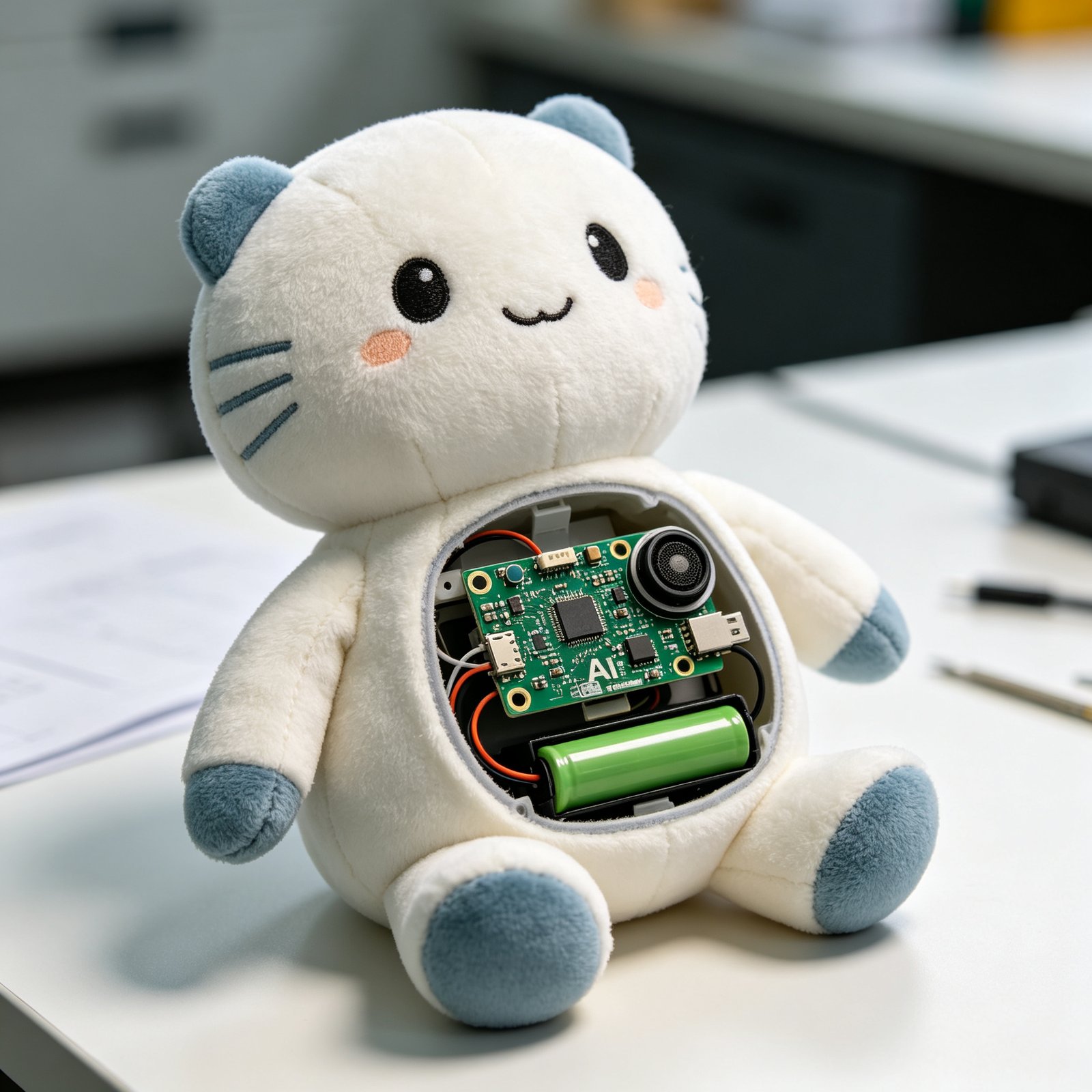
Before you contact any factory, understand the concept of the "AI Core". An AI Core is a standardized electronics module that contains the Wi-Fi chip, microphone, speaker and microcontroller. It is the brain of an AI toy. The key industry development is that this module is now modular: the same AI Core can be embedded into a plush cat, a robot dog or a talking dinosaur, and only the outer shell changes.

Why this matters for you: because the hardware is standardized, your differentiation does not come from the electronics. It comes from three things you control. The character and role you design, the firmware and dialogue logic you specify, and the content and voice the toy speaks with. A factory that has its own mature AI Core can bring you to market much faster and at lower cost than one that builds electronics from scratch for every order. When you evaluate a factory, the first question is whether they own their AI Core and what they have already built on it.
Why AI Toys Are Different From Regular Plush
The sourcing process differs in four structural ways.
Electronics instead of filling. A regular plush toy is fabric and filling. An AI toy adds a voice module, a battery, a speaker and a microphone. This changes the bill of materials, the testing, and the shipping requirements. Rechargeable batteries add UN38.3 transport certification.
Firmware and content. An AI toy has software that must be developed, tested and updated. Whether the dialogue runs on the device or in the cloud changes your cost structure and your privacy obligations. This is a development project, not just a production order.
Cloud cost. A connected AI toy that relies on cloud language models has a recurring per-interaction cost. Industry analysis estimates that roughly 70 percent of the hidden cost of an AI toy can sit in the cloud interaction design. Buyers who ignore this discover after launch that every unit they sell is generating a monthly bill they did not plan for.
Compliance and privacy. An AI toy is a wireless electronic device that collects audio from children. That triggers radio certification, toy safety certification and children's privacy law in both the United States and the European Union. This is the area where the most expensive mistakes happen.
The Sourcing Process in Six Steps
Step 1: Send a structured inquiry. Describe the toy type, target age, price target, volume and the interaction you want. Attach reference images of the character. Ask specifically whether the factory has an AI Core and which large language models it supports.
Step 2: Evaluate the AI architecture. Ask whether the toy uses on-device, cloud or hybrid processing. For a children's product, hybrid processing is usually the right answer: local models handle wake words and offline play, while the cloud handles complex conversation. Confirm what this means for your monthly cost per active user.
Step 3: Approve the sample. The first electronics sample typically takes two to three weeks. Verify that the voice recognition works in a realistic household environment, that the battery life meets your spec, and that the dialogue matches the age group.
Step 4: Customise firmware and character. This is where your brand is made. Specify the character name, the personality, the voice, and the content library. Confirm in writing that the firmware source and the trained model are licensed to you exclusively.
Step 5: Run compliance testing. Request certification reports with the sample, not after production. Confirm which reports apply to your target markets before you approve the tooling.
Step 6: Place the trial order and scale. A small batch validates quality, packaging and setup experience before you commit to a larger run. Use the results to plan the first full container.
Eight Questions to Ask Every Factory
Ask these eight questions in writing before you choose a supplier.
1. Do you have your own AI Core, and what has been built on it? This tells you whether the factory is a real AI toy maker or a plush factory selling a prototype.
2. Which language models do you support? Confirm compatibility with the models and languages your target market needs, including English dialects for Europe and North America.
3. On-device, cloud or hybrid processing? This determines your recurring cost and your privacy profile. Get the exact architecture in writing.
4. Can I customise the firmware, voice and character exclusively? Confirm that the code and the trained model are licensed to you and not resold to another buyer.
5. Where is the audio data processed and stored? For children's toys this is the most important privacy question. On-device processing is simpler to comply with than cloud processing.
6. Can you provide the full certification file? Request CE, EN71, FCC, CPC, CPSIA, RoHS and battery reports, and ask for the version date so you know the reports are current.
7. What is the MOQ for a trial order and for a full order? Electronic toys typically require larger minimums than plush, but a mature AI Core platform can support small trial batches.
8. What is the realistic timeline from approved sample to shipment? Confirm the production window and the buffer for firmware testing and battery safety.
Five Common Sourcing Mistakes
1. Choosing a factory by plush price alone. The cheapest quote usually hides the cost in firmware development, cloud fees or compliance gaps.
2. Ignoring the cloud cost model. A toy that relies entirely on cloud models can generate a recurring bill that exceeds the hardware margin. Confirm the architecture before launch.
3. Accepting outdated certification reports. The European toy safety framework is being updated, and 2026 editions of standards are in circulation. Old reports may not clear customs.
4. Letting firmware and models leave your control. If the factory owns the firmware and the trained model, it can sell your exact product to a competitor. Licence exclusivity in writing.
5. Treating privacy as an afterthought. Public data breaches of connected children's toys have exposed tens of thousands of voice recordings. Privacy is now a selling point, not a compliance chore.
Compliance and Privacy Red Lines
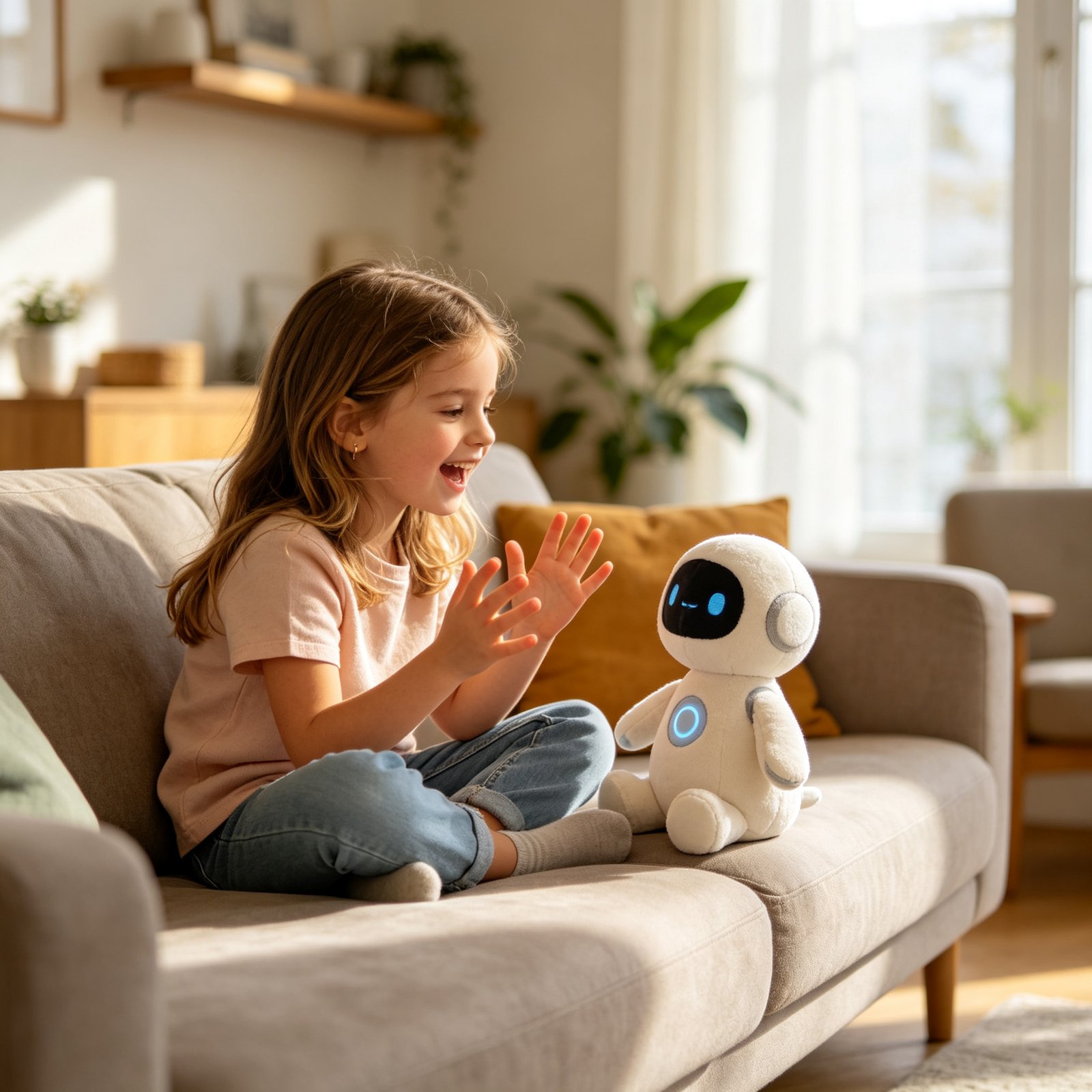
An AI toy must satisfy four layers of regulation. Radio certification for the wireless module, FCC Part 15 in the United States and the Radio Equipment Directive in the European Union. Toy safety certification, EN71 and CE in the EU and CPC and CPSIA in the US. Chemical safety through RoHS and REACH, and battery transport certification through UN38.3.
For children's privacy, the FTC's COPPA rule requires verifiable parental consent before collecting personal data from children under 13, and the 2025 amendments strengthened these requirements. In the European Union, toys must follow the EU toy safety framework, and data protection under the GDPR applies to any audio collected from users. A buyer who sources a toy that processes audio on the device, stores nothing that is not necessary, and provides clear parental controls has a product that is both safer and easier to sell.
Frequently Asked Questions
What is an AI Core in a toy? An AI Core is a standardized electronics module with a Wi-Fi chip, microphone, speaker and microcontroller that can be embedded into different toy shells. It is the component that gives an AI toy its voice and intelligence.
What is the MOQ for AI toys from China? AI toys with electronics typically require higher minimums than plush, often in the thousands for a full custom order. Factories with a mature AI Core platform can support much smaller trial batches, which lets a new brand validate the market first.
Do AI toys need special certification? Yes. AI toys need radio certification, toy safety certification, chemical safety compliance, battery transport certification, and children's privacy compliance for the United States and the European Union.
Should my AI toy use on-device or cloud processing? For a children's product, hybrid processing is usually the best balance. On-device models handle wake words and offline play at zero marginal cost, while the cloud handles complex conversation. This controls both cost and privacy exposure.
Conclusion
Sourcing an AI toy is a development project, not a purchasing errand. The buyers who succeed are the ones who understand the AI Core concept, ask the right eight questions, control the firmware and the model, and treat privacy and certification as launch requirements rather than afterthoughts. China's AI toy factories have matured rapidly, and the difference between a capable partner and a risky one is visible in the answers to those eight questions.
The category is growing quickly, and the window for building a differentiated AI toy brand is open. The factories with their own AI Core, customisable firmware and complete compliance files are the ones worth your time. Find one, protect your IP in writing, and launch on time.
Ready to source or build your AI toy line? Niokyar is an AI toy factory with its own in-house AI Core, customisable firmware and character development, hybrid on-device and cloud processing, and a full CE, EN71, FCC, CPC and RoHS compliance file from sample to mass production. Explore our AI toy OEM and ODM capabilities.
Comments
No comments yet — be the first to share your thoughts.