2026-08-30
2026 Holiday AI Toy Buying Guide: What B2B Buyers Should Stock
August 2026 · Sourcing Guide for B2B Buyers
2026 Holiday AI Toy Buying Guide: What B2B Buyers Should Stock This Season
The holiday quarter is the most important selling window in the toy industry, and 2026 is the first year in which AI toys are no longer an experimental niche. They are a core gift category. Buyers who treat them that way will capture the margin. Buyers who treat them as a novelty will be out of stock in November and sitting on returns in January.
This guide is written for importers, distributors and retail chains that need to decide what to stock, how much to order, and when to place the order. It is based on Google search seasonality, retail sell-through data, and the product categories that are already showing the strongest demand signals.
What Google Search Tells Us About the Holiday Window
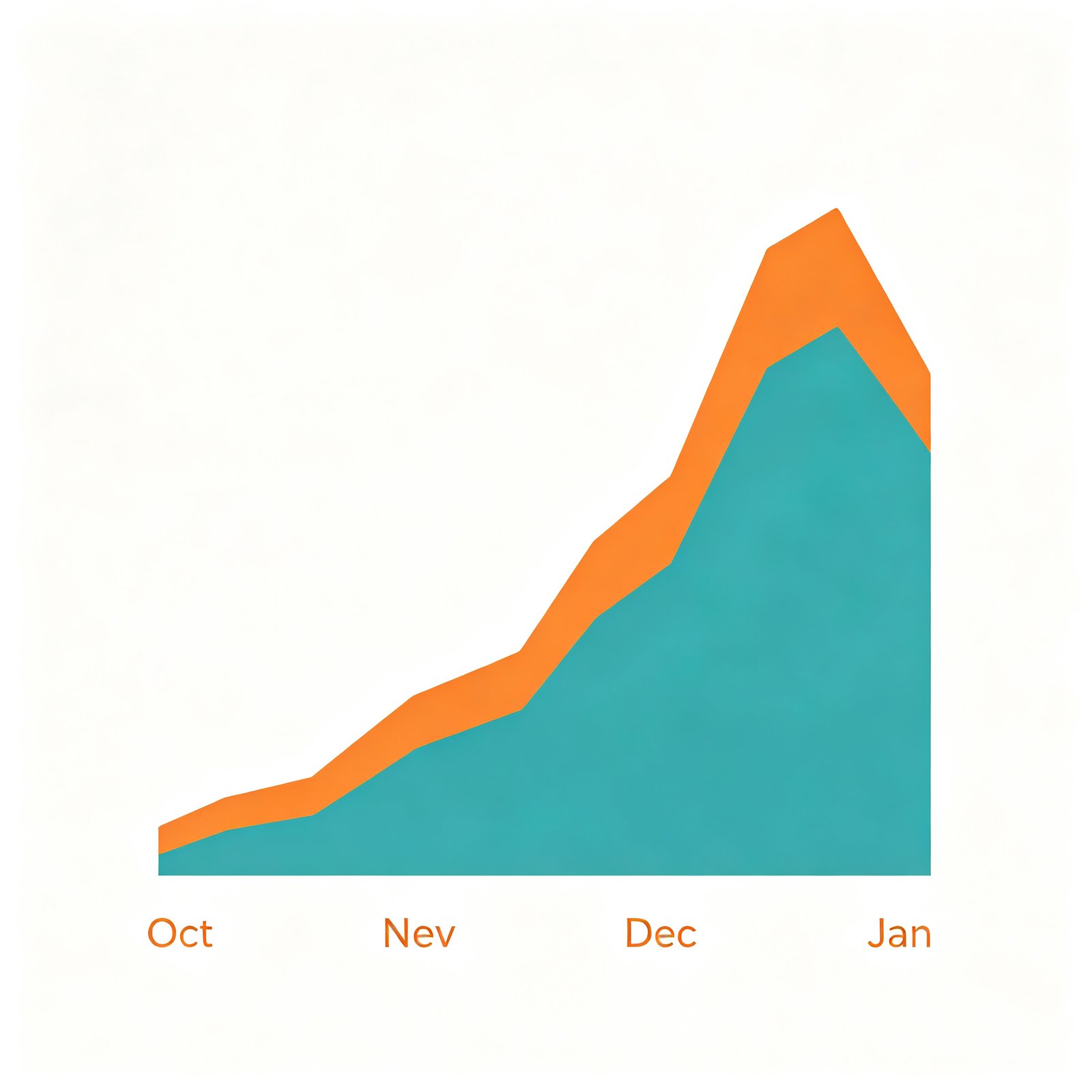
Toys are one of the most reliably seasonal categories in all of e-commerce. Search volume spikes in November and December, and the pattern inside that window matters as much as the peak itself.
Industry analysis of AI kids toy search behaviour shows two distinct phases. General category browsing peaks in early November, when shoppers are still comparing options and building shortlists. Brand-specific searches dominate mid-December, when indecision resolves and buyers commit. For a B2B buyer, this means hero SKUs must be in stock and discoverable by early November, and brand-backed marketing should peak in the first two weeks of December.
The demographic shift is equally important. During the holiday window, gift givers who are not parents account for roughly 60 percent of toy buyers, compared with about 40 percent in a normal month. These buyers are less price-sensitive and more willing to pay for a premium gift that feels considered. Premium AI toys see a disproportionate volume spike during this period. The flip side is that January brings a predictable returns spike, so packaging, instructions and warranty terms must be clear before the season starts.
The demand is not hypothetical. In China's 2026 New Year shopping festival, AI toy gross merchandise value increased roughly 500 times year over year, and search volume for the term "AI toy" rose 125 percent on a major domestic platform. The same dynamic is now moving into Western holiday retail. AI plush and companion toys in particular are showing retail margins of 35 to 45 percent, according to cross-border e-commerce analysis, which is well above the margin on traditional plush.
Five AI Toy Categories to Stock for 2026 Holiday
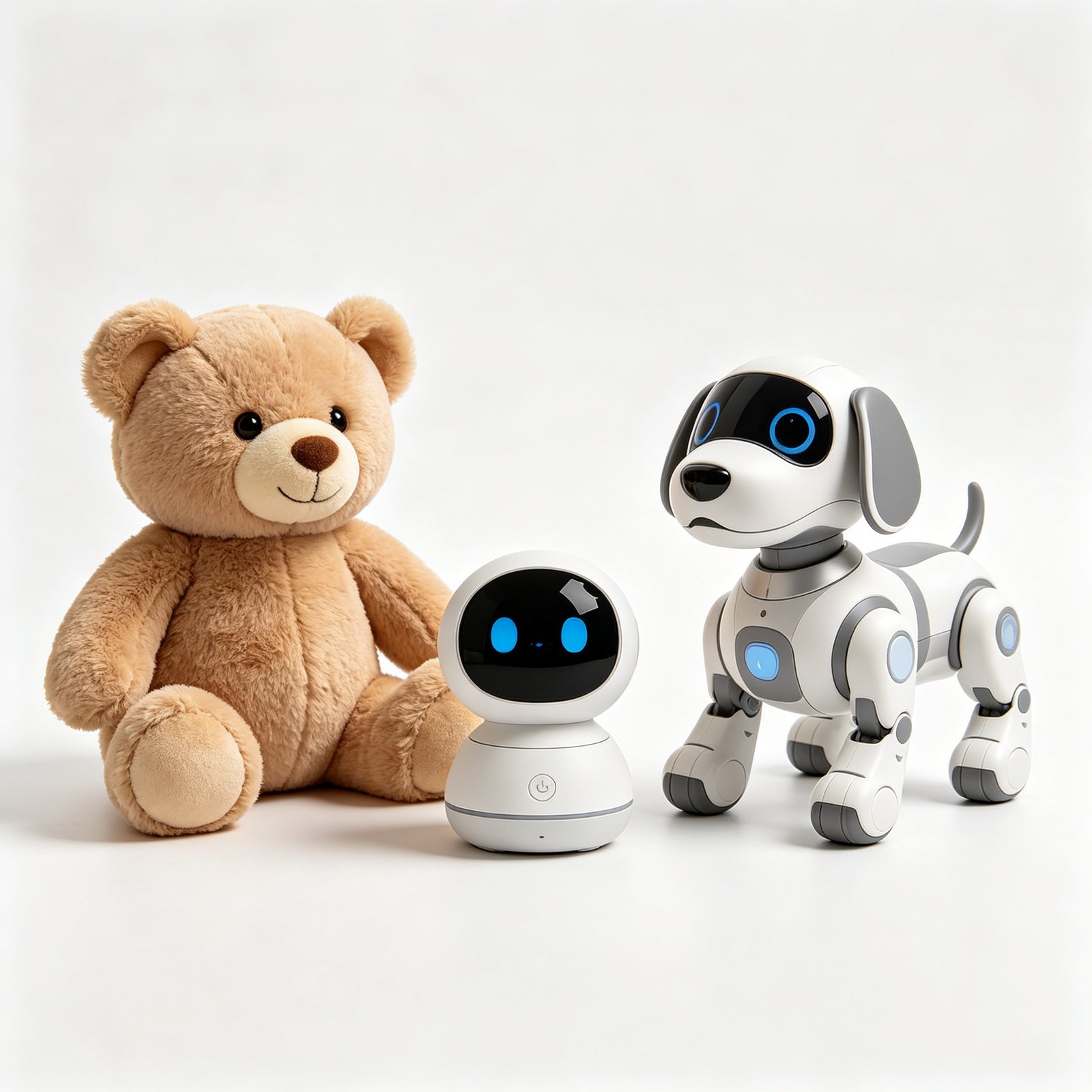
Based on search trends, retail sell-through and product launch activity, the five categories below should form the core of a 2026 holiday AI toy assortment. Industry roundups of AI-powered companion toys and recent launches such as the BubblePal confirm that premium, emotionally intelligent products are driving the strongest growth.
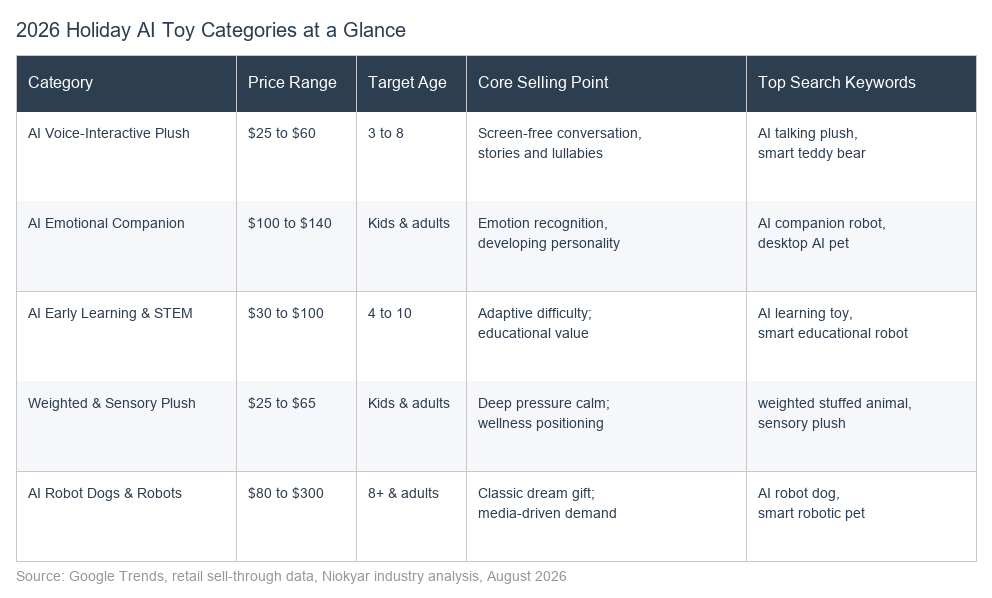
Together these five categories cover the full price spectrum from a 25 dollar plush to a 300 dollar robotic companion, giving a buyer a balanced assortment with margin, volume and gift appeal in every tier.
The B2B Sourcing Timeline
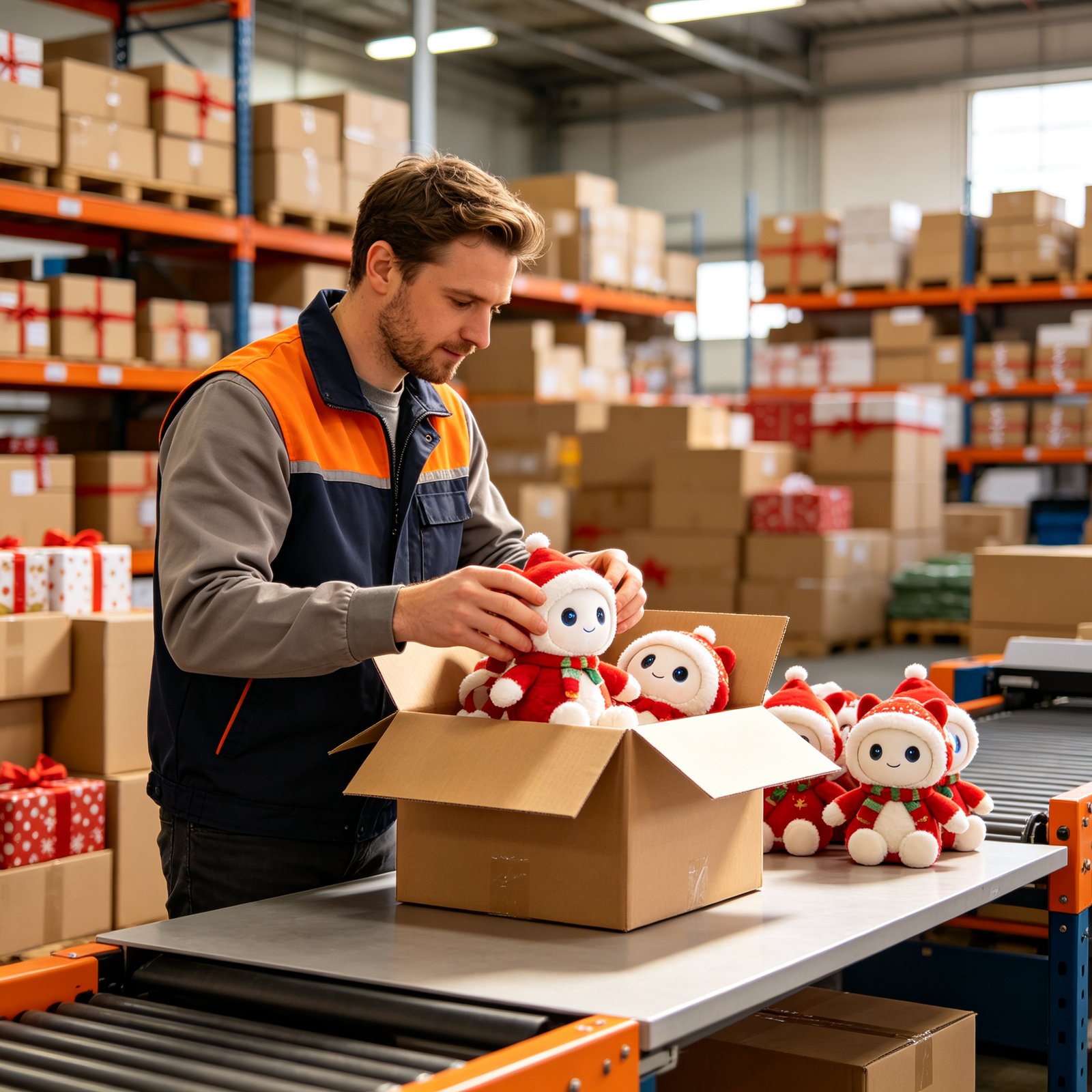
The holiday window is unforgiving. A delay of two weeks can mean missing the Black Friday restock cycle. The following timeline is based on standard lead times for AI plush and electronic toys from Chinese OEM factories.
August to September: finalise product selection, approve custom samples, confirm packaging artwork and begin compliance testing. Custom samples typically take 7 to 10 days, and certification reports should be requested with the sample, not after the first container is ready.
October: mass production. For AI toys with electronic components, build in extra buffer for firmware testing and battery safety checks. A 25 to 35 day production window is standard for a first order.
Early November: goods arrive at warehouse or fulfilment centre. This is the deadline for being in stock before the general browsing peak. Products that arrive after mid-November will miss the highest-converting traffic.
Mid-November to December: Black Friday, Cyber Monday and the December gift-buying peak. Brand-specific marketing and gift guide placement should be live by the first week of December.
January: returns processing and post-season inventory review. Products with clear instructions and strong unboxing experiences have measurably lower return rates.
Compliance and Risk Factors
AI toys sit at the intersection of children's products, electronics and data processing, which raises the compliance bar above that of a traditional plush toy.
Privacy and data: in the United States, the Children's Online Privacy Protection Act applies to any toy that collects voice or personal data from children under 13. In the European Union, the GDPR and the upcoming AI Act add additional requirements. Products that process voice data on device, rather than in the cloud, have a simpler compliance path and a stronger marketing story.
Safety certification: every AI toy sold in the EU needs CE and EN71 certification. Every AI toy sold in the US needs FCC, CPC and CPSIA compliance. RoHS and REACH cover chemical safety. For products with rechargeable batteries, UN38.3 transport certification is required for shipping.
Quality and returns: the most common holiday complaints about AI toys are not about the concept. They are about setup difficulty, short battery life, fragile seams and unclear washing instructions. Products that solve these problems earn the premium price. Products that do not will be returned in January.
Three Actions for Buyers Right Now
First, lock in hero SKUs by mid-September. The factories that produce AI plush and companion toys are already taking holiday orders, and the best production slots fill first.
Second, order a small test batch of one premium companion toy and one mid-price AI plush. The test batch validates quality, packaging and setup experience before a larger holiday commitment.
Third, confirm the full compliance file with every supplier before production begins. Ask for CE, EN71, FCC, CPC, RoHS and battery certification in writing. A supplier that cannot provide these before production is a supplier that will cause problems at customs.
Conclusion
The 2026 holiday season is the first season in which AI toys are a mainstream gift category, not an experiment. Google search data shows the demand window clearly: early November for discovery, mid-December for commitment, and a gift-buying audience that is willing to pay for premium products. The five categories above cover the full price range from 25 dollar plush to 300 dollar robotic companions, and together they give a buyer a balanced assortment with margin, volume and gift appeal.
The buyers who win this holiday season are the ones who place orders now, confirm compliance before production, and have stock in warehouses by early November. The buyers who wait will be competing for leftover inventory in a market that has already moved on.
Ready to build your 2026 holiday AI toy assortment? Niokyar is a one-stop AI plush and companion toy OEM/ODM partner with in-house tooling, firmware development, custom packaging, and full CE, EN71, FCC, CPC and RoHS compliance from sample to mass production. Explore our wholesale AI toy manufacturing capabilities.
Comments
No comments yet — be the first to share your thoughts.