2026-09-03
Elderly AI Companions: The Silver Economy's Next B2B Opportunity
September 2026 · Market Opportunity Guide for B2B Buyers
Elderly AI Companions: The Silver Economy's Next B2B Opportunity
In early 2026, a major investigation documented a quiet shift: state-funded AI companion robots were being distributed through American programmes for older adults. An 85-year-old woman, her husband gone, her daughter far away, found that the voice she spoke to most often was coming from a device designed to keep her company. That is the reality of the loneliness crisis, and it is becoming a market.
For B2B buyers, the elderly AI companion is one of the most promising new categories of 2026. Unlike children's toys, it is bought with institutional budgets, supported by policy, and driven by a demographic trend that is not going away. This guide explains the market size, why the moment is now, what the real-world feedback shows, who is buying, and how a buyer can enter this category profitably.
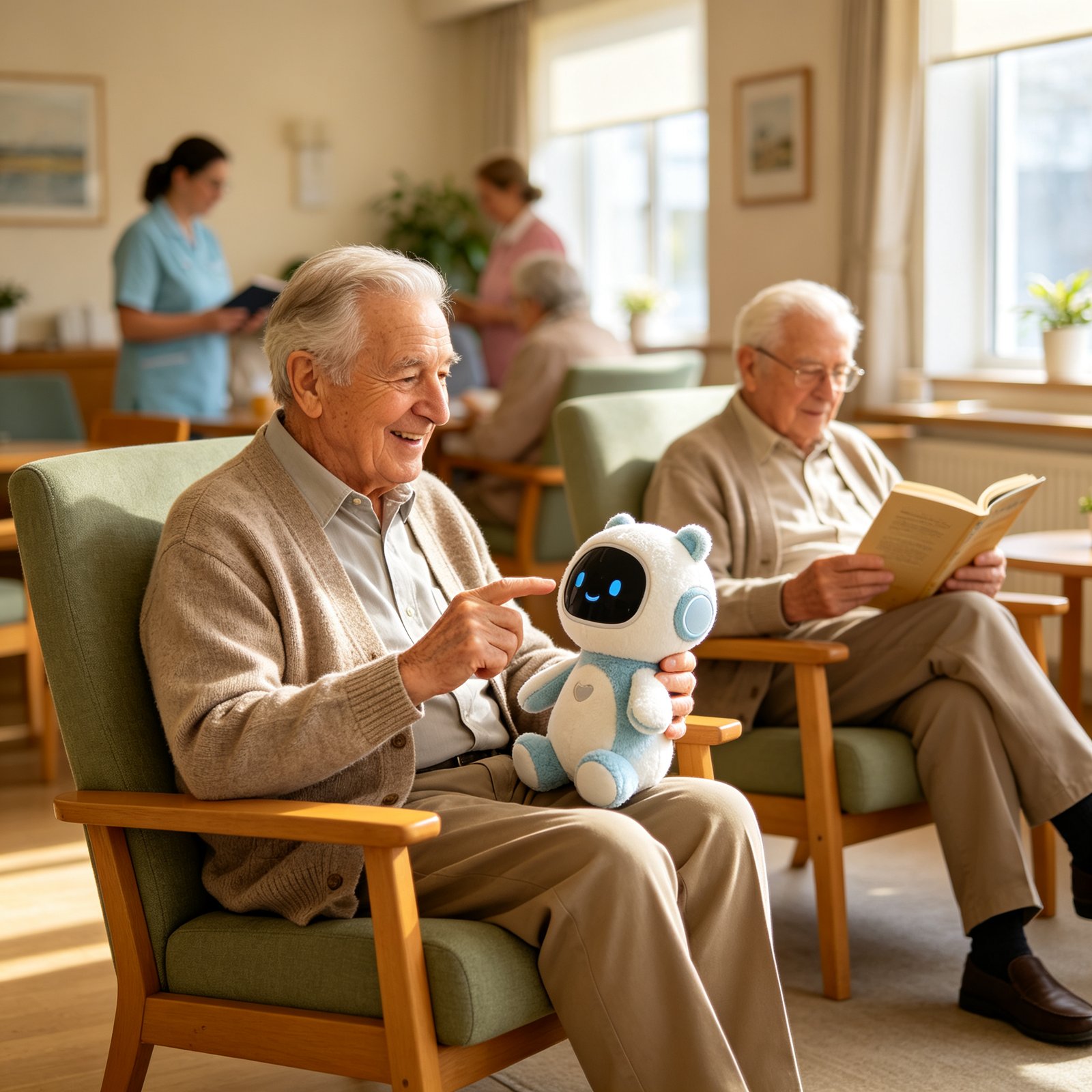
Market Size and Growth
The numbers explain why attention has shifted. The consumer companion robot market was valued at about 3.2 billion US dollars in 2025 and is projected to grow at a compound annual rate of 24.3 percent to reach roughly 22.8 billion dollars by 2034. The wider AI companion market expanded from about 1.2 billion dollars in 2023 to an estimated 4.8 billion dollars in 2026.
At the World Robot Conference in 2026, emotionally intelligent companion robots were the breakout category, backed by a market projected to reach over 5 billion dollars by 2036. The elderly care segment is consistently identified as the largest and fastest-growing, driven by ageing populations across Japan, South Korea, the United States and Europe.
Why the Moment Is Now
Three forces have come together to make 2026 the inflection point.
The demographic floor. Populations are ageing across every major Western market, while household sizes shrink and caregiver shortages worsen. The demand for companionship is structural, not cyclical. The World Health Organization identifies social isolation and loneliness as significant public health concerns affecting older adults worldwide.
Institutional money is moving. Unlike consumer toys, companion devices for seniors are increasingly paid for by programmes and institutions, from state ageing agencies to care facilities and community health budgets. A state-sponsored deployment creates a repeatable procurement channel, not a one-time retail sale. The WHO notes that healthy ageing depends on supportive environments and long-term care systems, which is precisely the budget space these programmes occupy.
On-device AI makes it affordable. The cost of running capable AI on a device has fallen sharply, which is the same force reshaping children's AI toys. A companion that once required expensive cloud infrastructure and a high price point can now be built as an accessible, privacy-friendly product with on-device processing.
Proven Cases and Real Feedback
The evidence is mixed in an instructive way, and buyers should see both sides.
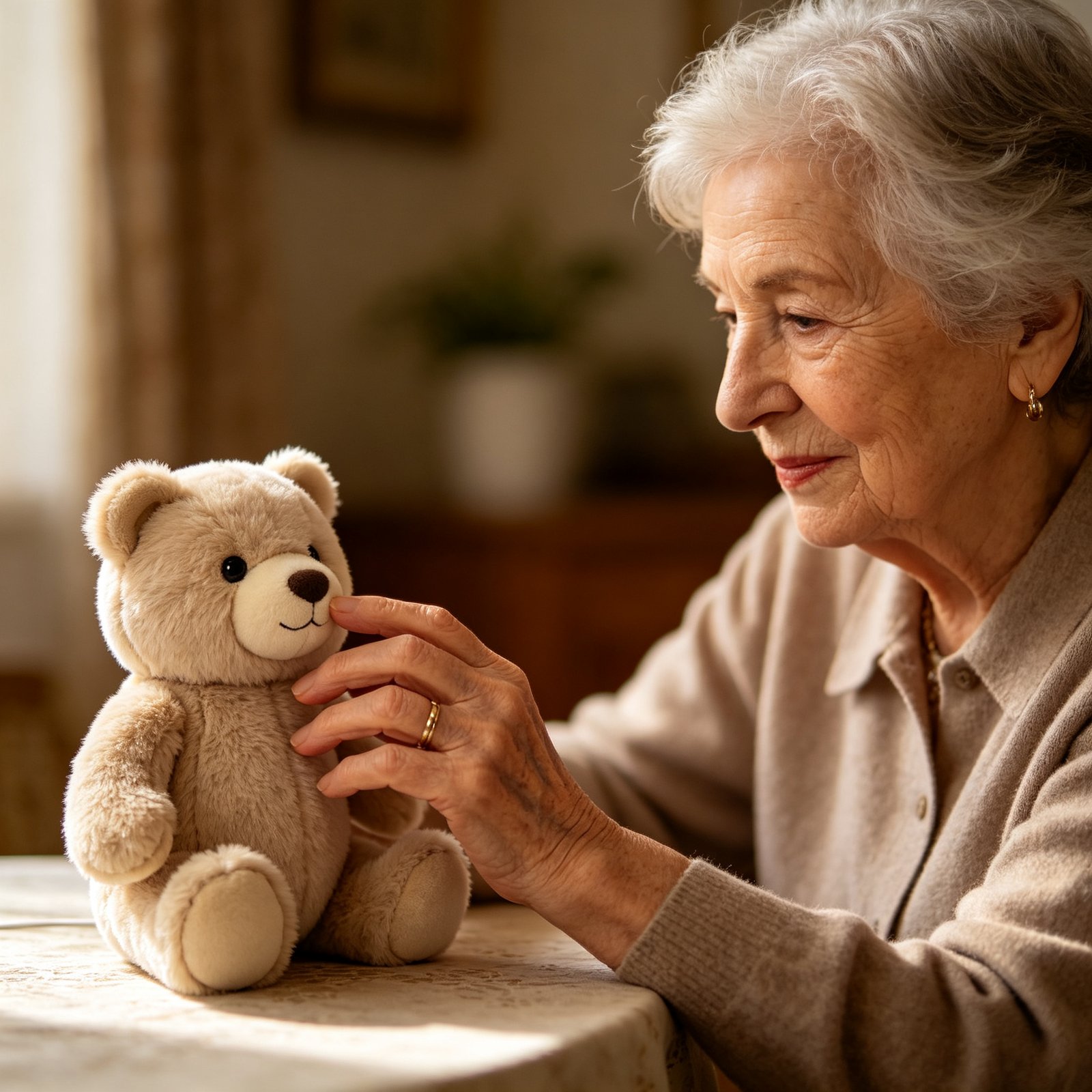
The positive results are measurable. In a study published through a state office for the aging, seniors using one proactive companion device reported significantly reduced loneliness after 12 weeks of use. The therapeutic seal robot PARO, in use since 2003, has been examined across a body of studies and consistently shown to reduce stress and improve engagement in care settings. Companion robots have also been reported to cut stress in older adults by as much as nearly half in some applications, and doctors use them as a non-medication approach in dementia care.
The honest limits matter too. Not every senior embraces the technology. Some older users find voice interaction difficult, some resist the idea of a machine as a companion, and some devices create an emotional attachment that raises ethical questions. These are the failure modes a buyer must plan around, not ignore.
Who Is Buying: The B2B Buyer Map
Four buyer groups drive the category, and each has a different procurement logic.
Care facilities and assisted living. These buy in volume for residents, with budgets justified by improved engagement and reduced loneliness-related costs. Procurement is decision-heavy and approval-based.
Government and community programmes. State ageing agencies and community health initiatives are increasingly funding companion devices as a social intervention. This is the fastest-growing and most predictable channel, but it requires documentation of outcomes and compliance.
Healthcare and dementia services. Therapeutic devices are used as non-medication interventions, especially in dementia care. Buyers require clinical or observational evidence and medical-grade reliability.
Family purchase channels. Adult children buy companions for aging parents, usually through retail or online channels. This is lower volume per order but a strong route for distributors and e-commerce.
How a B2B Buyer Can Enter This Category
Five considerations separate a profitable entry from a costly experiment.

Design for older users, not for younger ones. Large buttons, simple voice prompts, clear audio and comfortable textures. A companion that requires an app-heavy setup will fail with the end user it is meant to help.
Prioritise privacy and on-device processing. Seniors are a protected group under data regulation, and institutions will reject devices that depend on opaque cloud data collection. On-device AI with clear data policies is a procurement advantage.
Offer a manageable backend. Institutions need to control, update and monitor devices across many residents. A buyer that can offer fleet management is far more valuable than a buyer selling single units.
Document outcomes and compliance. Government and care buyers need evidence: usage data, wellbeing indicators, GDPR and data-protection compliance, and safety documentation. Build this into the product decision from the start.
Plan for the emotional and ethical dimension. Attachment, dependence and replacement of human contact are real concerns raised in research and media. Transparent design and honest marketing protect the brand and the user.
Challenges and Risks
The category carries risks that a serious buyer must weigh.
Emotional dependency. Some seniors form strong attachments to devices, which raises ethical questions about replacing human contact. Design and communication should frame the device as a supplement, not a substitute.
Technology rejection. A meaningful share of older users will not adopt voice or touch interfaces easily. Usability is a product requirement, not a nice-to-have.
Data privacy. Audio and behavioural data from vulnerable users is sensitive. Regulatory exposure under GDPR and similar rules is real, and institutional buyers will audit it.
Reputation risk. Any documented failure, whether a privacy breach or a misleading marketing claim, is amplified in this sensitive category. Safety and honesty are the business model.
Frequently Asked Questions
How big is the elderly AI companion market? The consumer companion robot market is projected to grow from about 3.2 billion dollars in 2025 to roughly 22.8 billion dollars by 2034, at a compound annual growth rate of 24.3 percent, with elderly care the largest segment.
Who buys elderly AI companions? Care facilities and assisted living, government and community programmes, healthcare and dementia services, and family members buying for aging parents. Institutional buyers are the fastest-growing channel.
Does elderly AI companionship actually work? Controlled studies show measurable benefits, including reduced loneliness after weeks of use and reduced stress in care settings. Real-world results depend heavily on design, usability and honest expectations.
How should a B2B buyer enter this category? Design for older users, prioritise privacy and on-device processing, offer fleet management, document outcomes and compliance, and plan for the emotional and ethical dimension from the start.
Conclusion
The elderly AI companion is not a niche gadget; it is the product of a structural demographic shift meeting institutional budgets and falling AI costs. The market is large, growing fast and increasingly paid for by programmes rather than individual impulse purchases. For B2B buyers, this is a category where the fundamentals are unusually strong: a growing need, a policy tailwind and a procurement channel that rewards professionalism.
The buyers who treat seniors as real users with real needs, who build privacy and usability into the product, and who document honest outcomes, will be the ones who build the durable business. The elderly AI companion is the silver economy's next opportunity, and the door is open now.
Ready to develop an elderly AI companion line? Niokyar builds AI companion hardware with on-device processing for privacy, simplified senior-friendly design, fleet management support and full GDPR, CE, EN71 and FCC compliance from sample to mass production. Explore our AI companion OEM and ODM capabilities.
Comments
No comments yet — be the first to share your thoughts.